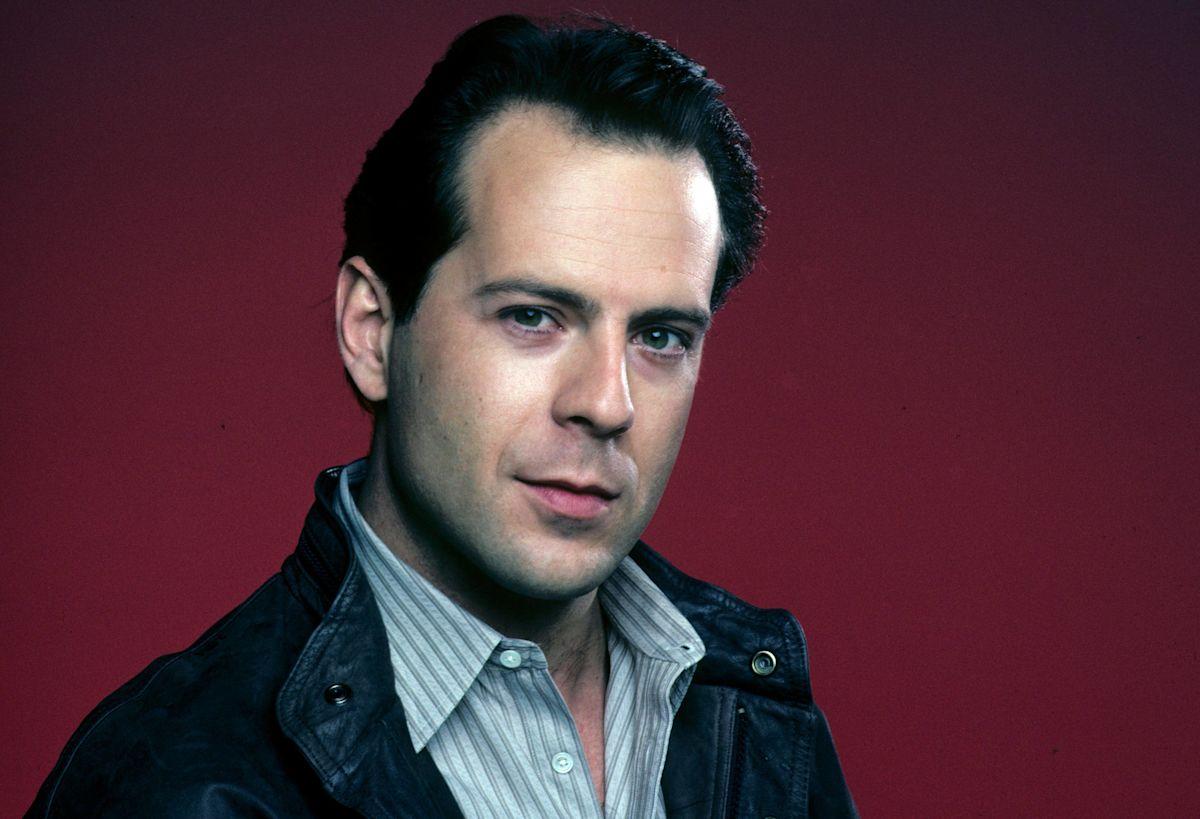
Bruce Willis remains one of the most recognizable actors in Hollywood, known for his unforgettable performances in action movies and emotional dramas. However, in recent years, public attention has increasingly focused on his health following his family’s announcement that he has frontotemporal dementia (FTD).
The news deeply affected fans around the world, many of whom grew up watching his movies and continue to admire his remarkable career.
Despite the challenges associated with his condition, Willis remains an important figure in the entertainment industry, and his family has helped raise awareness about dementia and its impact on loved ones.
Bruce Willis and His Remarkable Hollywood Career

Over the years, Willis appeared in numerous successful films, including The Sixth Sense, Armageddon, Pulp Fiction, and 12 Monkeys.
His ability to combine action, humor, and emotional depth made him one of the most recognizable performers of his generation.
For many fans, his movies remain timeless classics that continue to attract new audiences.
When His Family Shared the News About His Health

In February 2023, his family provided a further update, explaining that his condition had progressed to frontotemporal dementia, commonly known as FTD.
FTD is a group of disorders that affect the frontal and temporal lobes of the brain. Depending on the individual, it can influence behavior, personality, language, and other cognitive functions.
The family’s announcement brought greater public attention to a condition that many people previously knew little about.
What Is Frontotemporal Dementia?
Frontotemporal dementia is a progressive neurological condition that affects parts of the brain responsible for behavior, decision-making, personality, and language.
Its symptoms can vary considerably from person to person. Some individuals experience changes in behavior or personality, while others have increasing difficulty speaking or understanding language.
There is currently no cure that reverses FTD, although medical care and supportive services can help people and their families manage its effects.
Willis’ public diagnosis has encouraged conversations about the importance of dementia awareness, research, and support for caregivers.
How His Family Has Supported Him
Throughout Willis’ health journey, his family has spoken publicly about the challenges and emotional realities of living with dementia.
His wife, Emma Heming Willis, has helped bring attention to caregiving and the importance of supporting families affected by neurological disorders.
His former wife, Demi Moore, and their children have also remained part of the wider family story surrounding the actor.
Their public comments have helped fans understand that a serious health condition affects not only the person diagnosed but also the people who care for and love them.
The family has also emphasized the value of compassion, patience, and respecting personal privacy.
Why Bruce Willis Continues to Matter to Fans
For millions of movie lovers, Bruce Willis represents an important era in Hollywood entertainment.
His performance in Die Hard helped establish a character that audiences still celebrate decades later. His work in The Sixth Sense demonstrated a different side of his acting ability and became one of his most memorable dramatic roles.
Fans continue to revisit his films, share favorite scenes, and discuss the impact his performances have had on popular culture.
His career demonstrates how an actor’s work can continue to connect with audiences long after their circumstances change.
Separating Confirmed Information From Rumors
Public interest in Willis’ health has sometimes led to rumors and misleading online claims.
His family’s announcement of his frontotemporal dementia diagnosis is documented. However, claims that he has died or that his condition has suddenly worsened should not be treated as confirmed without reliable reporting or an official family statement.
A person’s medical condition can be complex, and photographs or short public updates cannot establish a complete picture of their health.
Responsible reporting means distinguishing verified information from speculation and respecting the privacy of the individual and family involved.
A Lasting Legacy Beyond the Screen

His health journey has also brought greater visibility to frontotemporal dementia and the challenges faced by people living with the condition.
For fans, remembering Willis means celebrating his work, recognizing the human experiences behind his public career, and showing compassion toward his family.
His films continue to provide entertainment and inspiration to audiences around the world.
Final Thoughts
Bruce Willis remains a beloved Hollywood figure whose career has left a lasting impression on generations of movie fans.
His diagnosis of frontotemporal dementia has changed the public conversation surrounding his life, but it does not erase the achievements that made him famous.
As interest in his health continues, it is important to rely on verified information rather than rumors.
What is your favorite Bruce Willis movie? Whether it is Die Hard, The Sixth Sense, or another of his films, share your favorite memory and celebrate the career of an actor whose work has entertained millions.
Editorial note: This article discusses publicly reported health information. Confirm any new developments through reliable news outlets or statements from the family before publication.